Wow Pets Palace
Explore ProductsExplore BreedsArticlesContact Us

Stay Updated

Get the latest pet care tips, adoption stories, and product updates delivered to your inbox.

Wow Pets Palace

Wow Pets Palace is your trusted source for finding pets from responsible breeders and adoptable pets. Whether you're looking to adopt or need resources on pet care, we're here to help.

Quick Links

  • About Us
  • Contact Us
  • Help
  • FAQs

Services

  • Lost, Sale & Adoption Services
  • Pet Adoption
  • Pet Products
  • Breed Information
  • Pet Tracking
  • Pet Sitters
  • Adopt, Buy & Find Pets

Legal

  • Terms of Service
  • Privacy Policy
  • Cookie Policy
  • Disclaimer
  • Return Policy
  • Shipping Policy
  • Marketplace Rules
  • Community Guidelines

© 2026 Wow Pets Palace. All rights reserved.

Home
HomeDog BreedsRussian Toy
Russian Toy
1 / 2
Dog Breed🏆 #98 Most PopularToy Group

Russian Toy

Canis lupus familiaris  ·  Russia

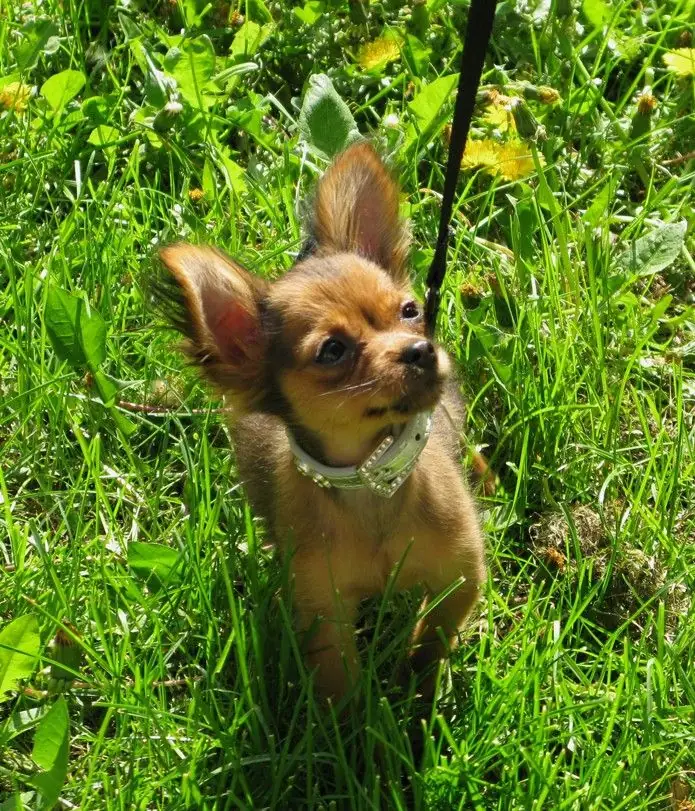
The Russian Toy, one of the smallest dog breeds, is a charming and elegant companion. Known for their affectionate nature, intelligence, and playful energy, these pint-sized pups make wonderful pets for those seeking a loyal and lively companion. This guide explores all aspects of the Russian Toy breed, from their physical traits and temperament to their care needs, helping you decide if this breed is the perfect fit for your home.
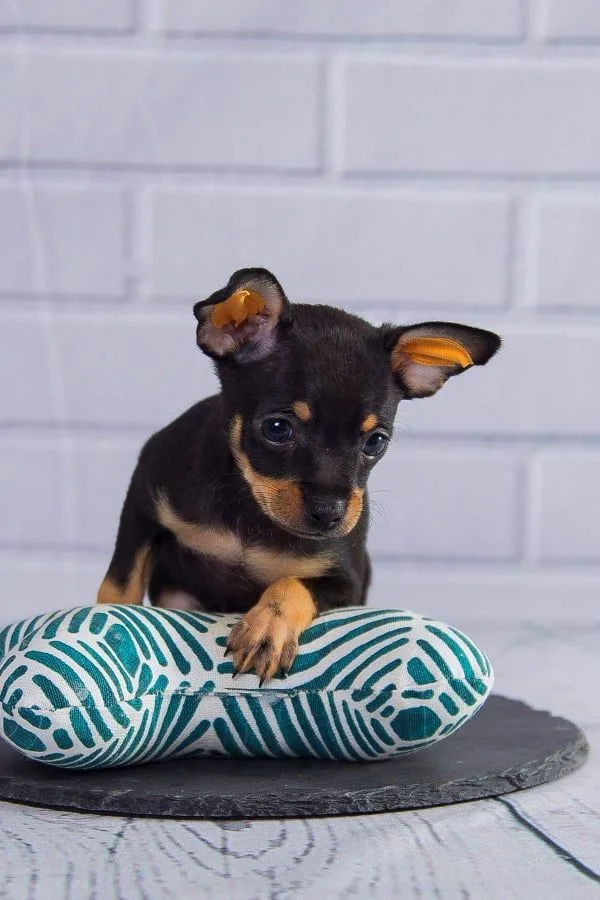
Friendliness★★★★★
Intelligence★★★★☆
Family Fit★★★★☆
Trainability★★★★☆

Quick Facts

Weight

3–6.5 lbs

Height

8–11 in

Life Span

12–14 years

Temperament

Loyal, Lively, Cheerful

Energy Level

Moderate

Trainability

Good

Shedding Level

Low

Good With Children

Good

Good With Other Pets

Good

Exercise Needs

20 min daily

Fun Facts

🐕

Tiny Russian Breed

The Russian Toy is one of the smallest dog breeds in the world.

🐕

Two Coat Types

This breed comes in both smooth and long-coated varieties.

🐕

Elegant Companion

Russian Toys are graceful little dogs that love to be close to people.

Breed Tags

#Affectionate#CompanionDog#GoodForFirstTimeOwners#ToySize#ShortCoat

Breed Characteristics

Friendliness
85%
Intelligence
75%
Affection Level
90%
Energy Level
65%
Protectiveness
48%
Playfulness
80%
Adaptability
70%
Trainability
72%
Apartment Suitability
92%
Beginner Owner Suitability
78%

Detailed Breed Information

Health

Russian Toys live 12 to 14 years. Patellar luxation and dental crowding are the main concerns you need to watch. Their tiny legs fracture easily, so prevent jumping from high furniture from day one. Progressive retinal atrophy occurs in some lines. Get your puppy from a breeder who health tests and keep annual vet visits consistent.

Grooming

Smooth coated Russian Toys need a quick weekly brush and a bath monthly. Longhaired varieties need brushing two to three times weekly to prevent tangles on the ears and legs. Both types need regular dental care since their small mouths crowd teeth badly. Trim nails every three weeks. Keep ears clean.

Exercise

Your Russian Toy needs 20 to 30 minutes of light activity daily. Short walks and indoor play sessions work well. Their tiny frame is not built for high impact exercise, so skip the running and jumping games. Mental stimulation through trick training keeps their quick mind satisfied and builds a strong bond with you.

Training

Russian Toys are smart and pick things up quickly. Use positive reinforcement with small treats. Keep sessions under ten minutes since they lose focus fast. Start socialization early because this breed can become anxious around strangers without proper exposure. Housetraining takes patience given their tiny bladder size.

Nutrition

Feed your Russian Toy a tiny breed formula twice daily with measured portions. Hypoglycemia is a real risk for puppies, so give small meals frequently in the first months. Watch weight closely because even half a pound extra strains their small frame. Keep treats minimal and calorie light.

History

The Russian Toy developed in Russia from English Toy Terriers imported by Russian nobility in the 18th century. Soviet isolation after World War II cut the breed off from outside influence, leading to a distinctly Russian type. Breeders later added a longhaired variety through a natural mutation in the 1950s. Russia nearly lost the breed during the Soviet era but dedicated breeders preserved the line. The FCI recognized the Russian Toy in 2006.

Photo Gallery

Russian Toy photo 1
Russian Toy photo 2
Find Available Pets
Browse Similar Breeds

Videos About This Breed

0:24

Poodle Moments A Day Full of Love & Play

0:21

Playtime Joy Man & His Poodle Having Fun

0:13

Double Trouble Two Dogs Having Fun

0:16

German Shepherd Exploring the Grass

0:14

Ball Time Fun Poodle in Action

Similar Breeds You May Like

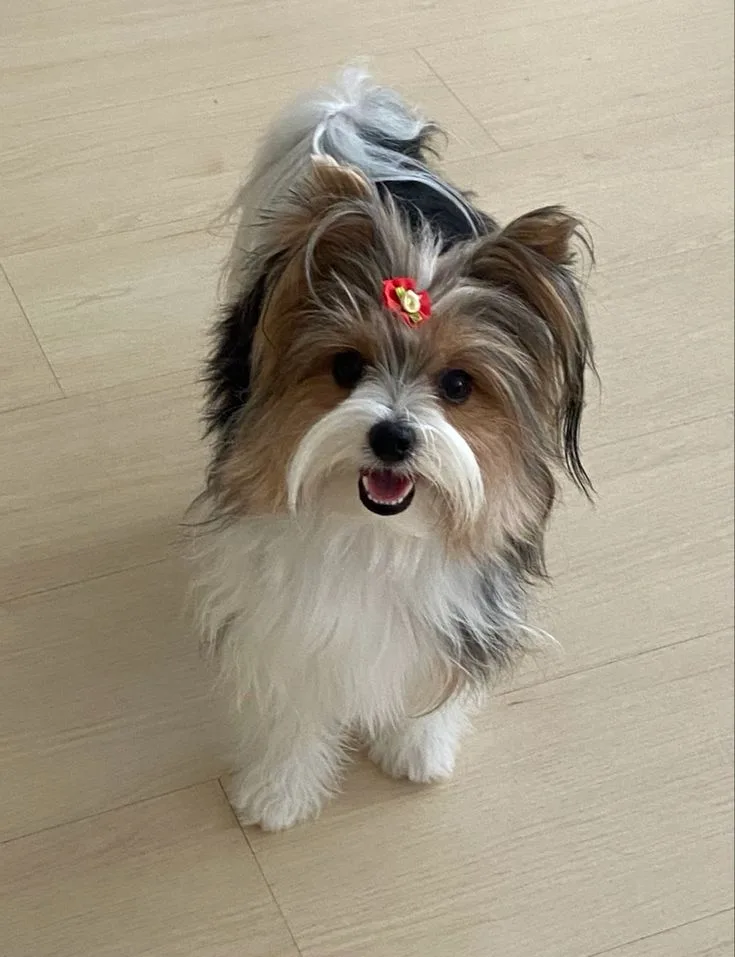
Biewer Terrier

Biewer Terrier

Dog · 12–16 years

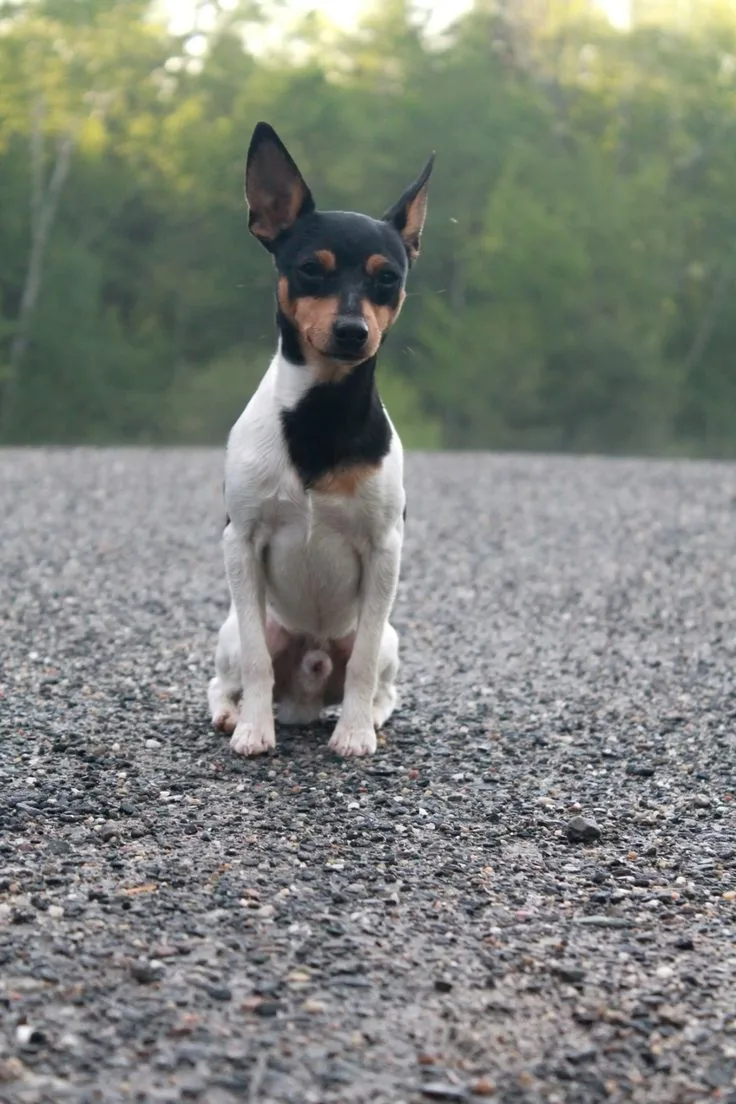
Toy Fox Terrier

Toy Fox Terrier

Dog · 13–15 years

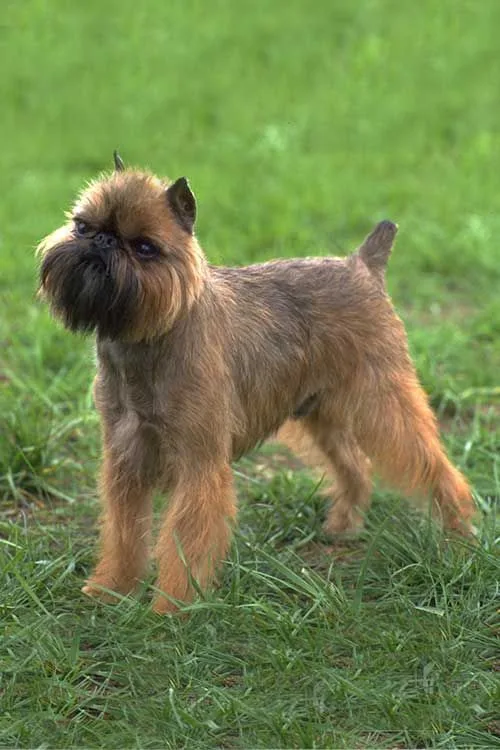
Brussels Griffon

Brussels Griffon

Dog · 12–15 years

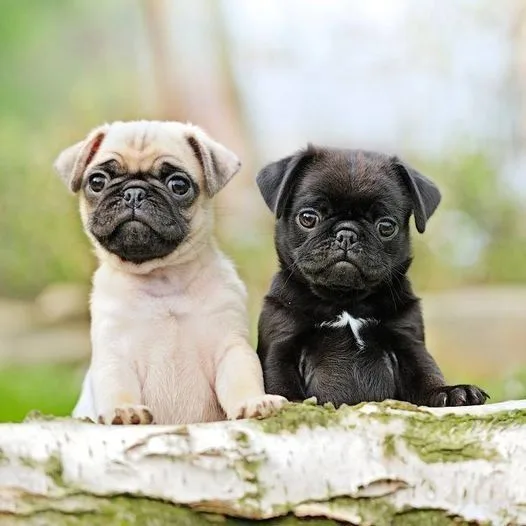
Pug

Pug

Dog · 12-15 years

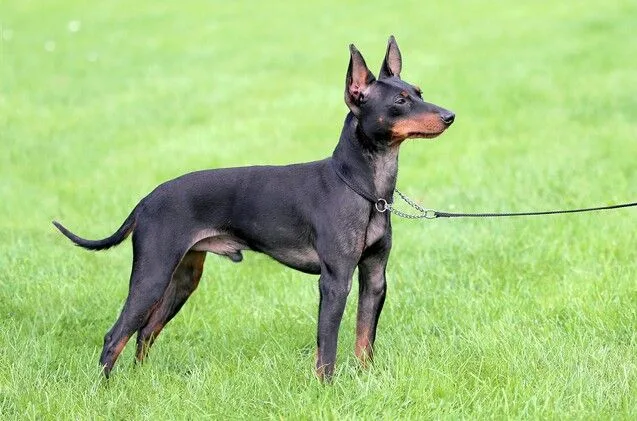
Manchester Terrier (Toy)

Manchester Terrier (Toy)

Dog · 12-15 years

Japanese Chin

Japanese Chin

Dog · 10–14 years

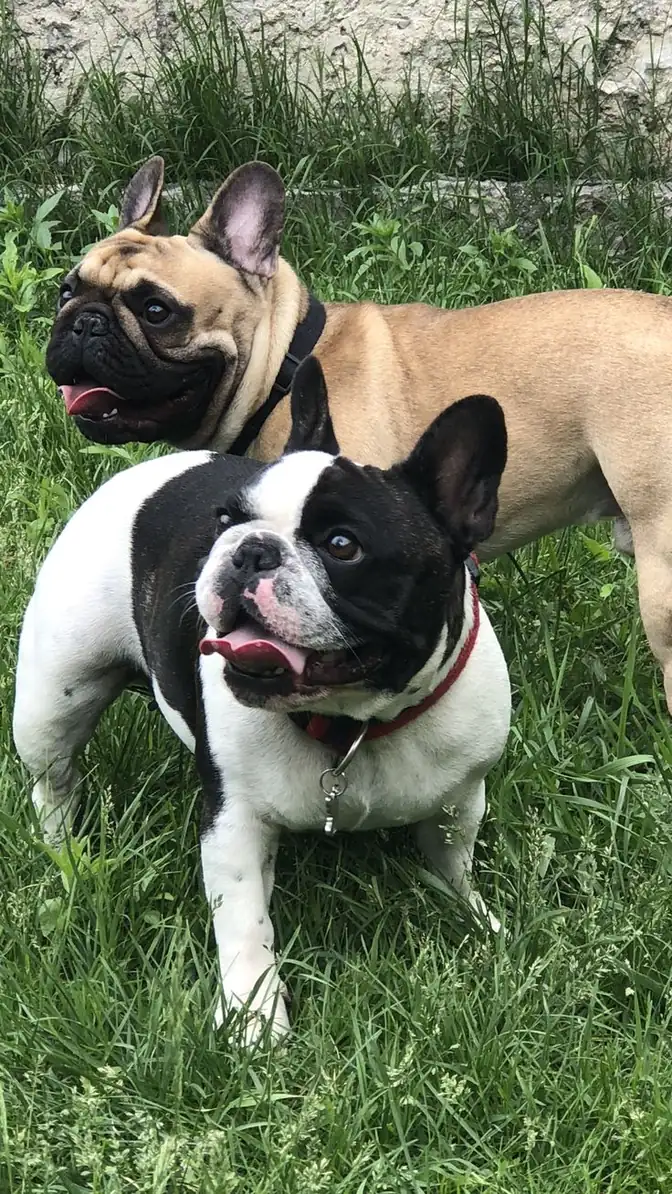
French Bulldog

French Bulldog

Dog · 10–12 years

English Toy Spaniel

English Toy Spaniel

Dog · 10–12 years

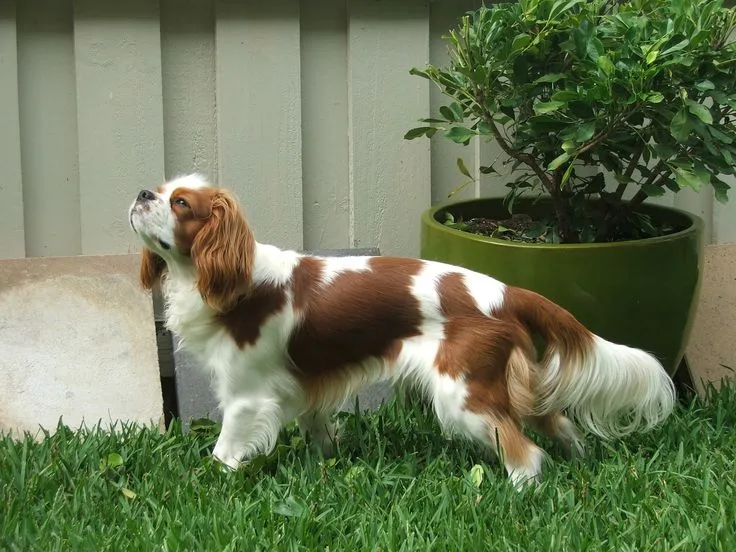
Cavalier King Charles Spaniel

Cavalier King Charles Spaniel

Dog · 12–15 years