Canis lupus familiaris · Canada (Newfoundland)
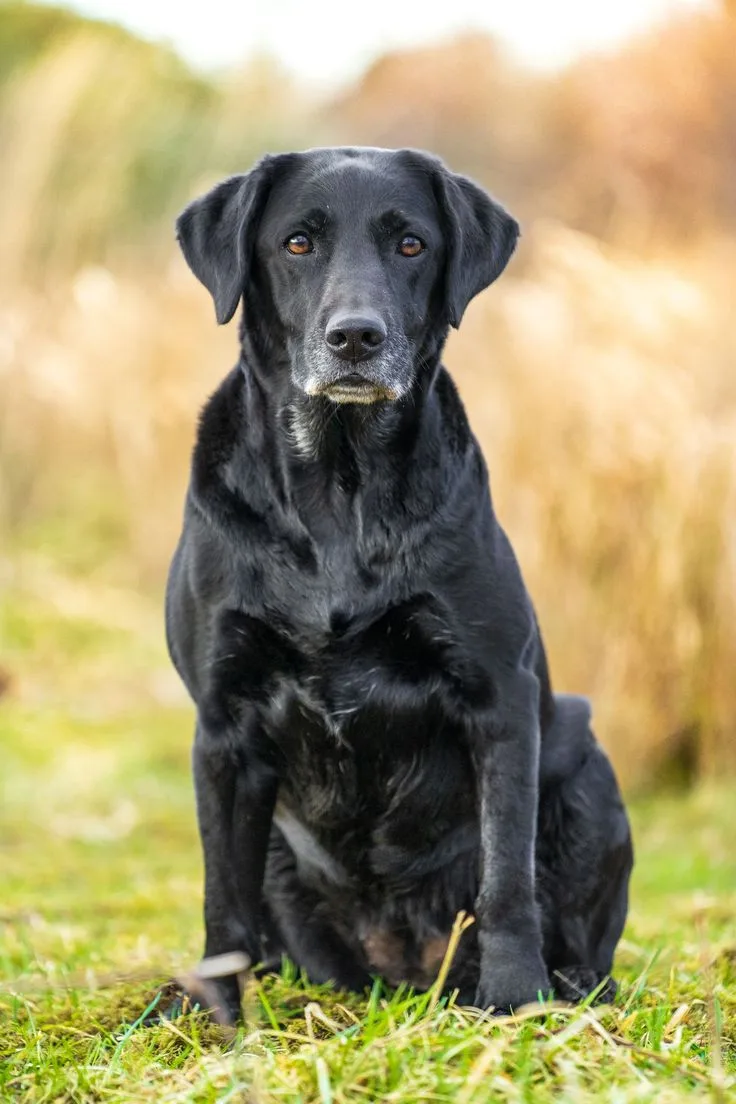
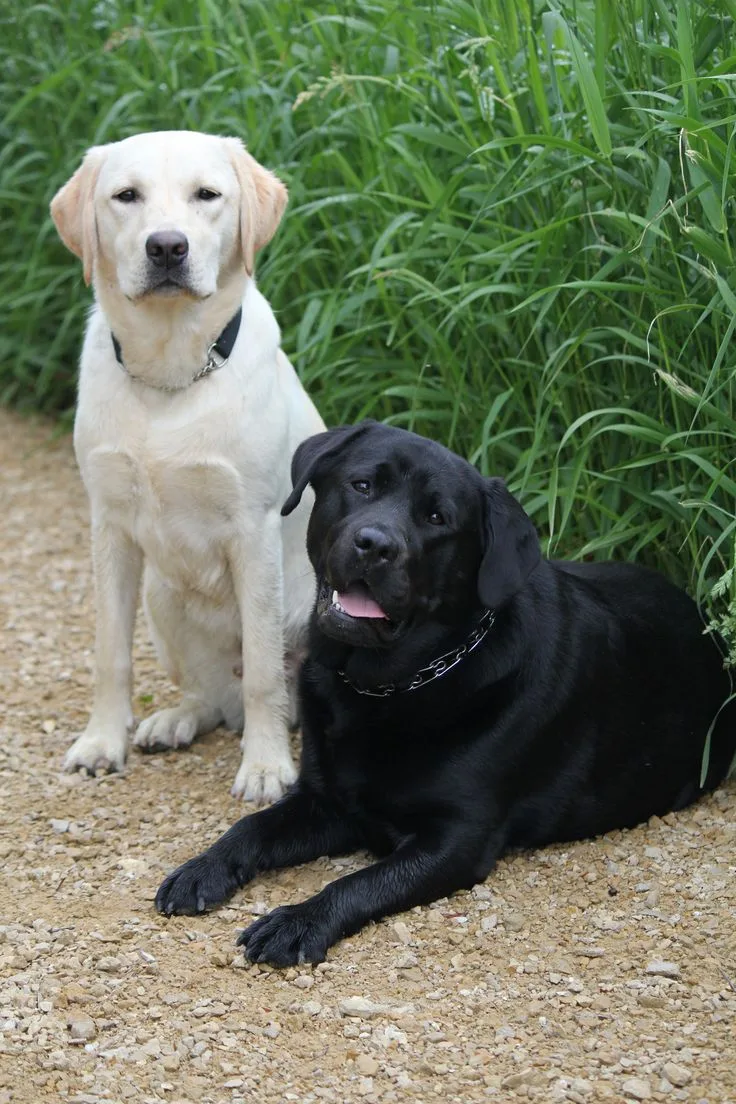
The Labrador Retriever is a friendly, intelligent, and loyal breed, renowned for its excellent temperament and versatility in family, service, and working roles.
Weight
65–80 lbs (M), 55–70 lbs (F)
Height
22.5–24.5 in (M), 21.5–23.5 in (F)
Life Span
10–12 years
Temperament
Friendly, Active, Outgoing
Energy Level
High
Trainability
Excellent
Shedding Level
Heavy
Good With Children
Excellent
Good With Other Pets
Excellent
Exercise Needs
1–2 hours daily
Most Popular Breed
The Labrador Retriever is one of the most popular dog breeds in the world.
Strong Swimmer
Labradors have webbed feet that help them swim well.
Friendly Nature
This breed is known for being friendly and easygoing.
Labrador Retrievers typically live 10 to 12 years. Hip and elbow dysplasia are common, well-documented concerns in the breed, making joint screening genuinely important. Obesity is also a major issue since Labs are famously food-motivated. Certain eye conditions and exercise-induced collapse also occur occasionally.
That short, dense, water-repellent coat sheds more than people expect and needs brushing two to three times a week. Shedding increases heavily during seasonal coat blows. Bathe every four to six weeks. Nail trims, ear checks, and dental care round out the routine.
Bred for retrieving in field and water, Labrador Retrievers need close to an hour of activity daily. Fetch, swimming, and active play suit their playful, athletic nature perfectly. They genuinely love having a task to focus their abundant energy on. Mental stimulation through retrieving games keeps them happily engaged.
Highly intelligent and eager to please, Labrador Retrievers are widely considered one of the easiest breeds to train. Positive reinforcement with treats and praise works beautifully, especially given their food motivation. Early socialization rounds out their naturally friendly, gentle temperament. They excel in obedience, service, and field work for good reason.
A quality protein-rich diet suits this athletic, food-motivated breed well. Two measured meals daily work far better than free feeding, since Labs rarely turn down food. Watch their weight closely, as they gain easily and obesity significantly worsens joint issues. Fresh water should always be available, especially after exercise.
Despite the name, the Labrador Retriever actually originated in Newfoundland, Canada, where fishermen used the breed's ancestors to retrieve fish and pull nets from icy water. English nobility later imported the breed and refined it into the modern Labrador for retrieving game on hunting estates. Their gentle mouth, trainability, and friendly temperament made them exceptional gundogs and family companions alike. Today it remains the most popular dog breed in the world.

Dog Jumping Off a Log | Amazing Agility!
Rough Collie Dog Standing on a Log Before a Graceful Jump
Double Trouble Two Dogs Having Fun
German Shepherd Exploring the Grass
Playtime Joy Man & His Poodle Having Fun

Golden Retriever
Dog · 10–12 years

Treeing Walker Coonhound
Dog · 12–13 years with proper care.

Redbone Coonhound
Dog · 12–15 years

Flat-Coated Retriever
Dog · 8–10 years

English Foxhound
Dog · 10–13 years

Bluetick Coonhound
Dog · 11–12 years

Black and Tan Coonhound
Dog · 10–12 years
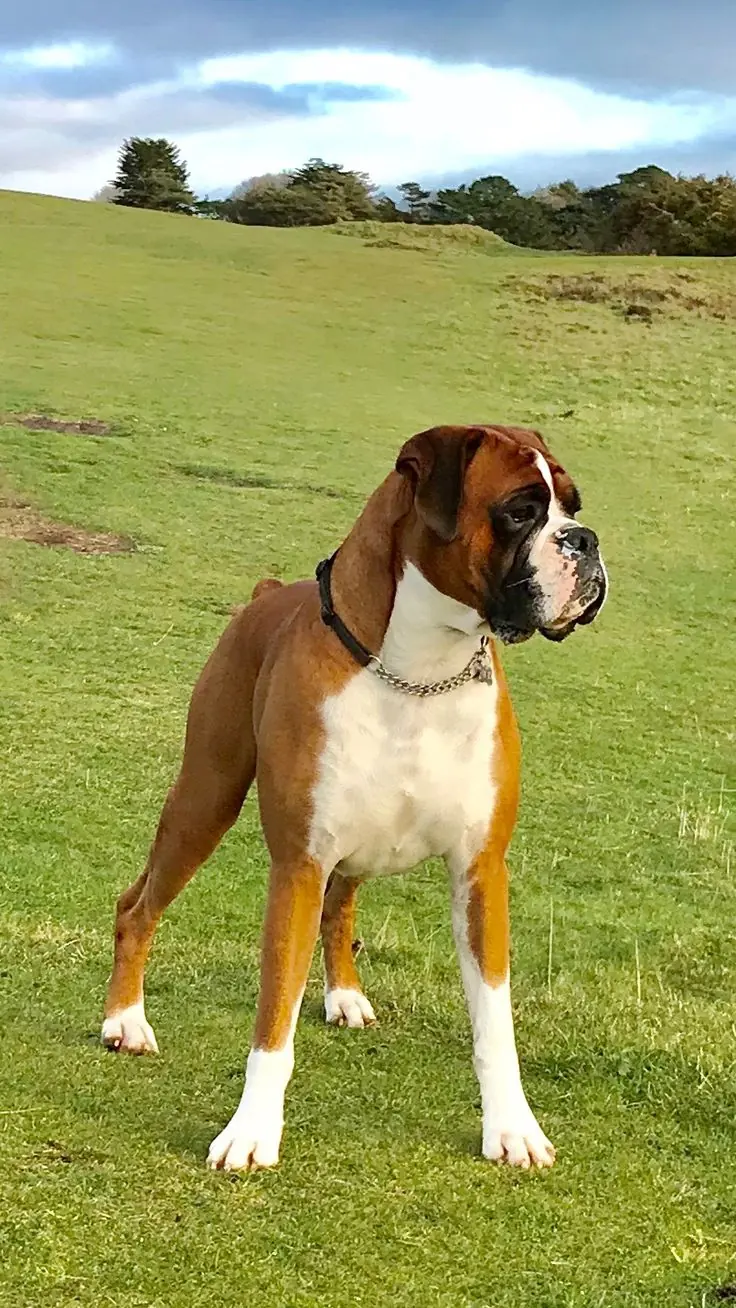
Boxer Dog
Dog · 10–12 years

American English Coonhound
Dog · 10–12 years
Typically about 11 to 14 years. Keeping a Lab lean is one of the most helpful things owners can do for long-term health.