Wow Pets Palace
Explore ProductsExplore BreedsArticlesContact Us

Stay Updated

Get the latest pet care tips, adoption stories, and product updates delivered to your inbox.

Wow Pets Palace

Wow Pets Palace is your trusted source for finding pets from responsible breeders and adoptable pets. Whether you're looking to adopt or need resources on pet care, we're here to help.

Quick Links

  • About Us
  • Contact Us
  • Help
  • FAQs

Services

  • Lost, Sale & Adoption Services
  • Pet Adoption
  • Pet Products
  • Breed Information
  • Pet Tracking
  • Pet Sitters
  • Adopt, Buy & Find Pets

Legal

  • Terms of Service
  • Privacy Policy
  • Cookie Policy
  • Disclaimer
  • Return Policy
  • Shipping Policy
  • Marketplace Rules
  • Community Guidelines

© 2026 Wow Pets Palace. All rights reserved.

Home
HomeCat BreedsMaine Coon
Maine Coon
1 / 2
Cat Breed🏆 #5 Most PopularDomestic Cat

Maine Coon

Felis catus  ·  United States (Maine)

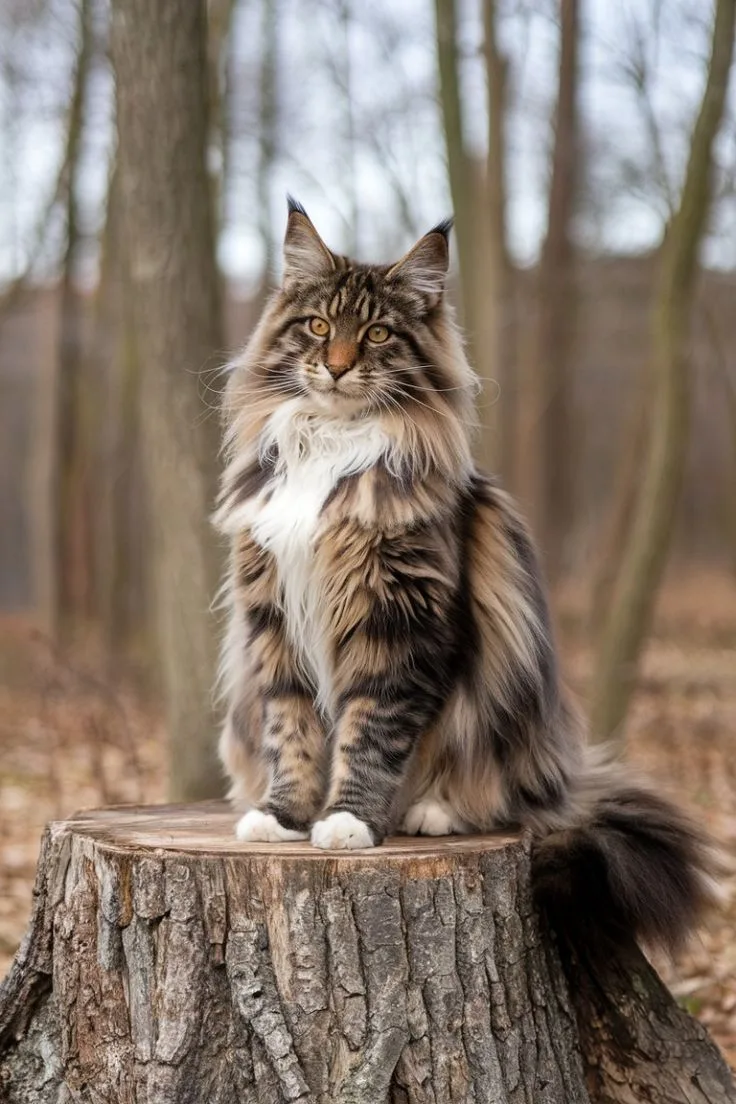
The Maine Coon is one of the largest domesticated cat breeds, celebrated for its majestic appearance, affectionate personality, and intelligence. Known as the “Gentle Giant,” this breed is a favorite among families and cat enthusiasts for its friendly demeanor and adaptability.
Friendliness★★★★★
Intelligence★★★★★
Family Fit★★★★★
Trainability★★★★★
Find Available PetsBrowse Similar Breeds

Quick Facts

Weight

13–18 lbs (M), 8–12 lbs (F)

Height

10–16 in

Life Span

13–14 years

Temperament

Friendly, Gentle, Dog-like

Energy Level

Moderate

Trainability

Very Good

Shedding Level

Moderate

Good With Children

Excellent

Good With Other Pets

Excellent

Exercise Needs

20 min daily

Fun Facts

🐈

Gentle Giant

The Maine Coon is one of the largest domestic cat breeds.

🐈

Dog-Like Personality

Maine Coons often play fetch and follow their owner around.

🐈

Tufted Ears

This breed has tufts of fur on its ear tips like a wild lynx.

Breed Tags

#AmericanCatBreed#GentleCat#DogLikeCat#Large#SemiLongCoat

Breed Characteristics

Friendliness
90%
Intelligence
90%
Affection Level
85%
Energy Level
75%
Protectiveness
60%
Playfulness
88%
Adaptability
88%
Trainability
90%
Apartment Suitability
65%
Beginner Owner Suitability
88%

Detailed Breed Information

Health

Maine Coons live 12 to 15 years. Hypertrophic cardiomyopathy is the most significant hereditary concern and DNA testing is available. Spinal muscular atrophy is also hereditary and breeders must test for it. Hip dysplasia occurs more often than in most cat breeds. Polycystic kidney disease appears in some lines. Source from breeders who test for HCM, SMA, and PKD.

Grooming

Your Maine Coon has a long, thick, shaggy coat that needs brushing two to three times a week. The coat is designed to resist matting but regular brushing prevents tangles, especially on the belly and behind the ears. Shedding is heavy during seasonal changes. Bathe every four to six weeks. Trim nails every two weeks and clean ears monthly.

Exercise

Maine Coons are playful and retain a kitten like energy throughout adulthood. They love interactive toys, fetch, and games with their owners. They are large cats with real athleticism. Provide tall climbing structures and daily play sessions. Two vigorous play sessions daily keeps most Maine Coons healthy and content.

Training

Maine Coons are intelligent, dog like, and among the most trainable cat breeds. They learn leash walking, fetch, tricks, and their name with treat based training. They enjoy water and sometimes play in it. Socialize kittens early with different people and experiences. Their confident, curious temperament makes training rewarding.

Nutrition

Feed a quality high protein diet that supports this large breed muscle mass. Maine Coons take three to five years to reach full size so feed a kitten appropriate diet during growth. Two measured meals daily work better than free feeding. Choose foods with real meat as the first ingredient. Always provide fresh water.

History

The Maine Coon is the oldest natural cat breed in North America, originating in the state of Maine where it developed through natural selection over centuries. Legends claim the breed descended from cats brought by Marie Antoinette or from crosses between cats and raccoons, but neither is biologically possible. The breed likely developed from longhaired cats brought by early European settlers that adapted to the harsh New England climate. Maine Coon cats dominated early American cat shows in the 1870s before Persian imports pushed them aside for decades.

Photo Gallery

Maine Coon photo 1
Maine Coon photo 2

Products Maine Coon Owners Love

PAWISE DOG RAINCOAT L

PAWISE DOG RAINCOAT L

€16.90 5
PAWISE PEE PAD HOLDER-L

PAWISE PEE PAD HOLDER-L

€78.94 5
PIED A POULE RED L BONE STYLE COLLECTION

PIED A POULE RED L BONE STYLE COLLECTION

€31.94 5
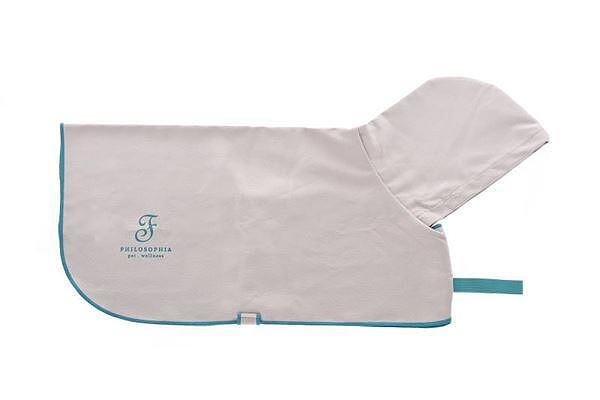
FERRIBIELLA PHILOSOPHY MICROFIBER PET TOWEL L

FERRIBIELLA PHILOSOPHY MICROFIBER PET TOWEL L

€97.02 5
FLAMINGO DOG COLLAR NUSA PENIDA BLUE L

FLAMINGO DOG COLLAR NUSA PENIDA BLUE L

€19.40 5
FLAMINGO DOG SHOES L

FLAMINGO DOG SHOES L

€30.49 5
AFP FETCH RUBBER BALL L

AFP FETCH RUBBER BALL L

€6.93 5
AFP MIGHTY WEEL L

AFP MIGHTY WEEL L

€15.05 5

Videos About This Breed

0:22

Munchkin Cat

0:12

Tiny Kitten Walking All Alone

0:21

Munchkin Cat Exploring the Green Grass

0:13

Double Trouble Two Dogs Having Fun

0:16

German Shepherd Exploring the Grass

Helpful Articles

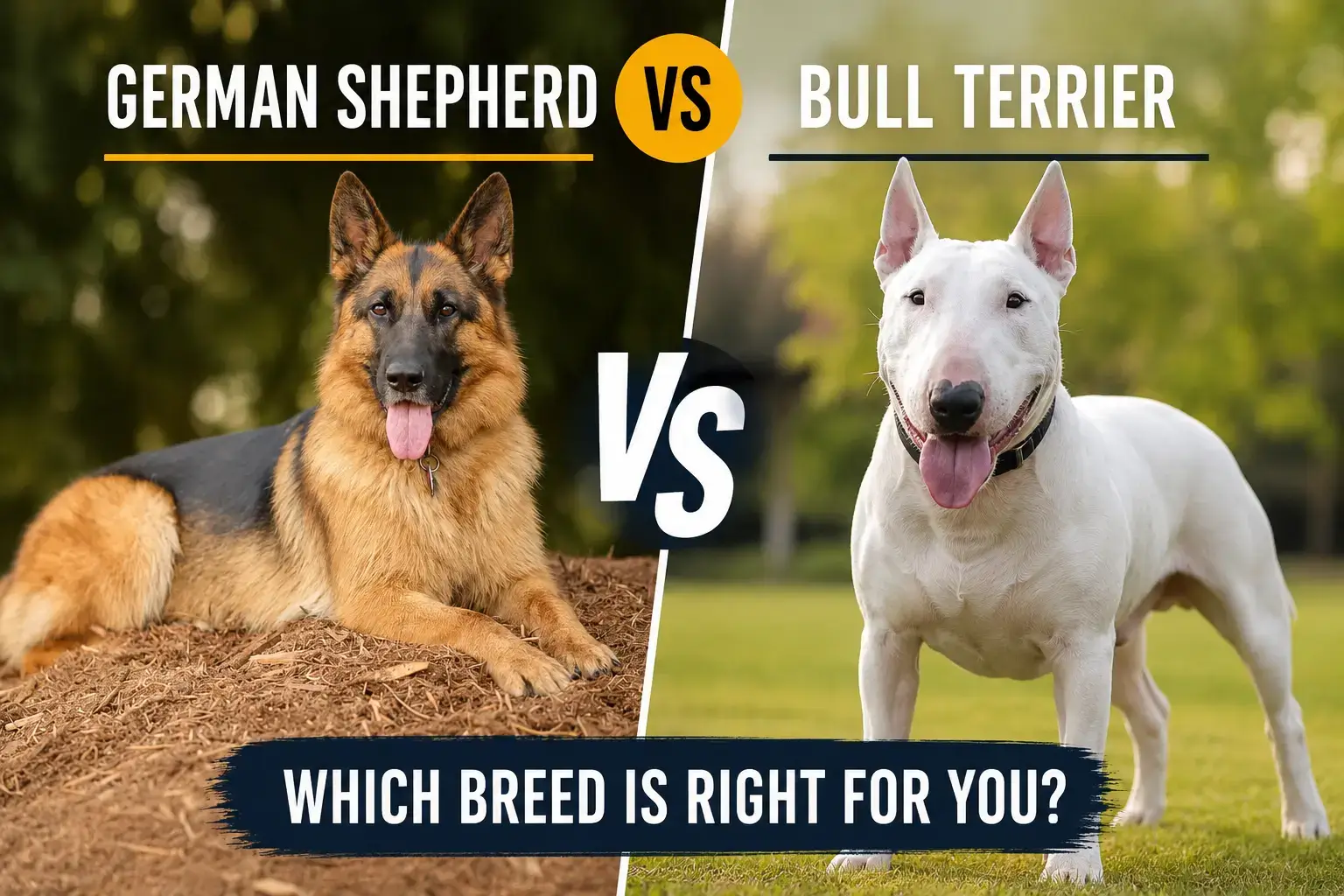
German Shepherd vs Bull Terrier: Benefits of Owning Each Dog Breed

May 16, 2026

German Shepherd vs Bull Terrier: Benefits of Owning Each Dog Breed

Compare the German Shepherd and Bull Terrier to discover the benefits, temperament, training needs, grooming, health, and lifestyle suitability of each breed.

Similar Breeds You May Like

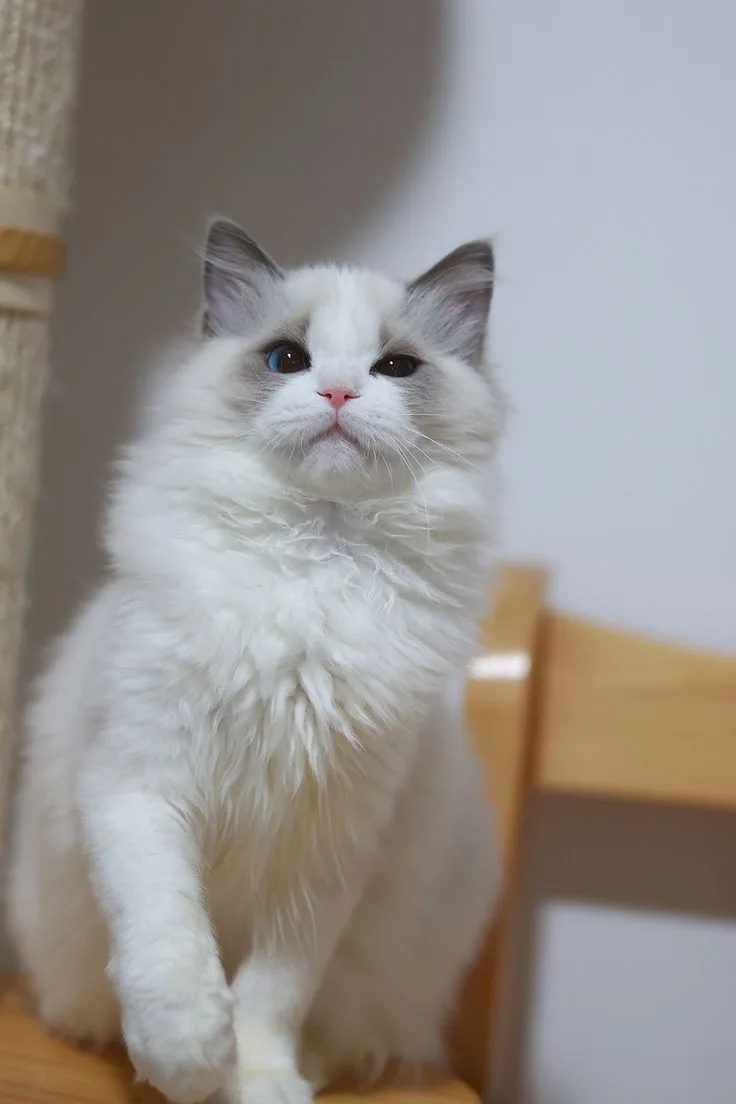
Ragdoll

Ragdoll

Cat · 12–17 years

Ragamuffin

Ragamuffin

Cat · 12–16 years

Pixiebob

Pixiebob

Cat · 13–16 years

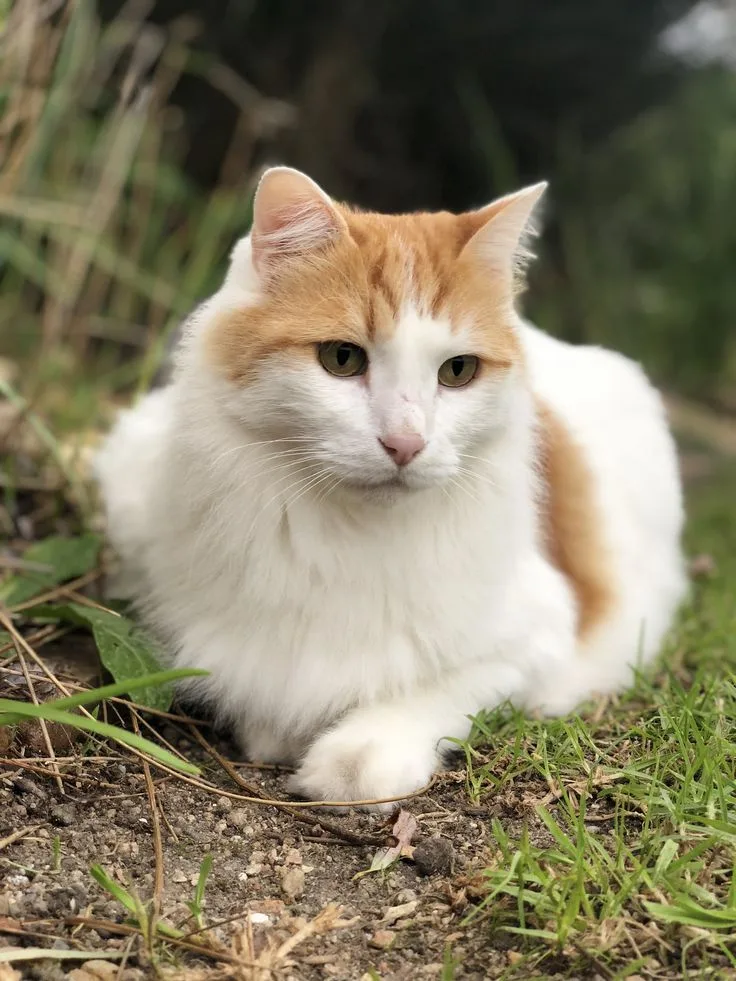
Turkish Van

Turkish Van

Cat · 12–17 years

Birman

Birman

Cat · 12–16 years

American Bobtail

American Bobtail

Cat · 13 to 15 years

American Shorthair

American Shorthair

Cat · 15–20 years

Somali Cat

Somali Cat

Cat · 12–16 years

Siberian cat

Siberian cat

Cat · 12–15 years

Frequently Asked Questions

Generally yes. They tend to get along well with children and other animals, though their large size may surprise them at first.