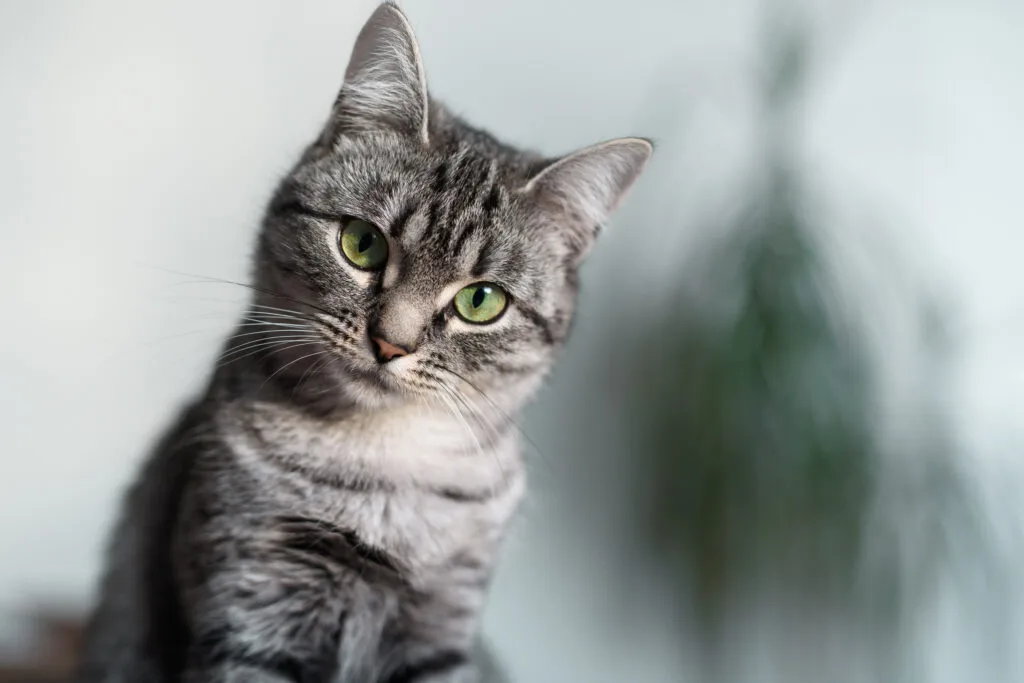

Felis catus · Myanmar (Burma)
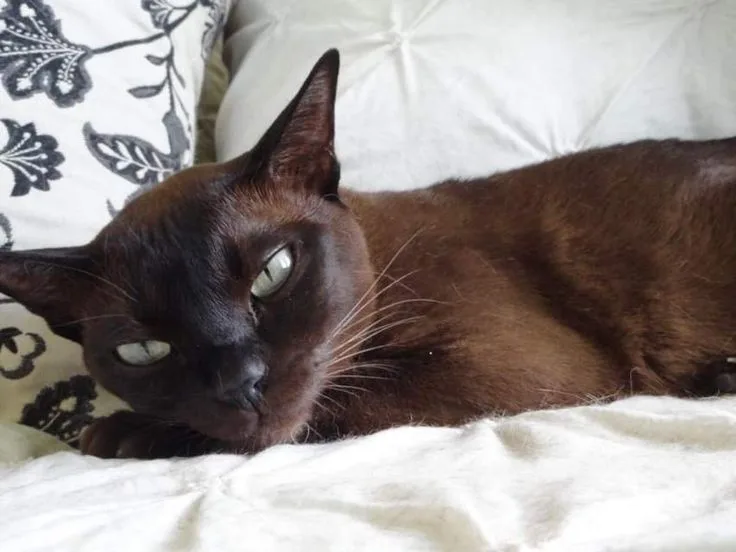
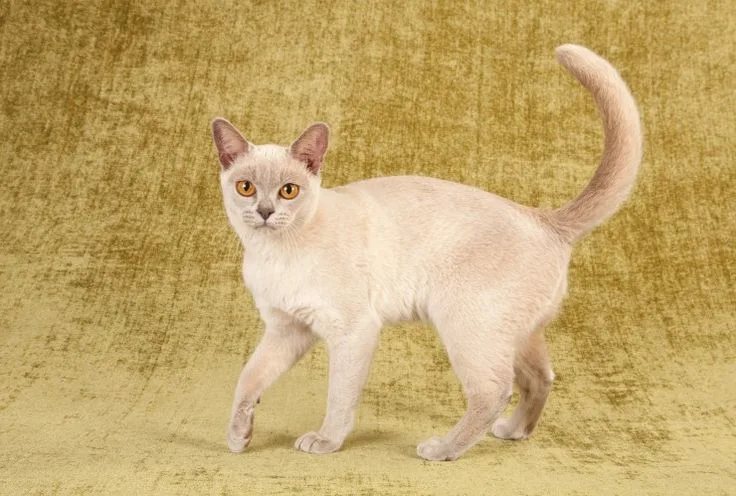
The Burmese cat is a charming and affectionate breed with a sleek coat, striking eyes, and a lively personality. Known for their playful and people-oriented nature, Burmese cats make excellent family companions.
Weight
8–12 lbs
Height
9–13 in
Life Span
10–17 years
Temperament
Social, Playful, Curious
Energy Level
High
Trainability
Excellent
Shedding Level
Low
Good With Children
Excellent
Good With Other Pets
Excellent
Exercise Needs
20 min daily
Velcro Cat
The Burmese loves to follow its owner from room to room.
Dog-Like Personality
Burmese cats often play fetch and love learning tricks.
Silky Coat
This breed has a short, glossy coat that feels like satin.
Burmese cats live 16 to 18 years. Hypertrophic cardiomyopathy is a concern in the breed. Burmese head defect, a severe craniofacial deformity, affects some kittens from certain pairings and responsible breeders avoid at risk crosses. Hypokalaemia, a potassium deficiency, occurs in some Burmese lines. Diabetes mellitus also develops more often than in many other breeds. Annual vet visits catch problems early.
Your Burmese has a short, satiny coat that needs only a quick weekly brush. They groom themselves efficiently so baths are rarely needed. Brush teeth frequently since dental disease is common. Trim nails every two weeks and clean ears monthly. Grooming takes minimal time with this breed.
Burmese cats are playful, energetic, and social throughout their lives. They retain kitten energy well into adulthood. Provide interactive wand toys, climbing structures, and puzzle feeders daily. They enjoy playing fetch and learning tricks. Without enough stimulation they become clingy or destructive.
The Burmese is one of the most trainable cat breeds. They respond enthusiastically to treat rewards and learn tricks, leash walking, and their own name quickly. They follow their owners from room to room and thrive on interaction. Start training young and keep sessions fun and short. Early socialization builds a confident, outgoing adult.
Feed a quality protein rich diet with wet food as the primary component. Two measured meals daily prevent the overeating this food motivated breed is prone to. Monitor weight carefully since Burmese are compact, heavy cats that can mask weight gain. Always provide fresh water and avoid foods heavy in carbohydrates.
The Burmese cat traces back to a single brown female cat named Wong Mau, brought from Burma to the United States in 1930 by Dr. Joseph Thompson. Thompson began a breeding program by crossing Wong Mau with a Siamese and selectively breeding the darkest offspring back together. This produced the foundation of the American Burmese. The CFA recognized the breed in 1936. The European Burmese developed along a different line and is recognized as a separate variety today.

PAWISE 2-WAY DOG DOOR, SIZE M,39*45CM

FERRIBIELLA PHILOSOPHY MICROFIBER PET TOWEL M

FLAMINGO DOG COLLAR NUSA PENIDA BLUE M

FLAMINGO DOG SHOES M

AFP MIGHTY WEEL M

AFP TREAT HIDER DOG - M

FLAMINGO COOLING BANDANA FRESK INOU M PINK

FLAMINGO COOLING BANDANA FRESK INOU M BLUE
Happy Dog Playing

Aug 6, 2026
Is Your Cat Happy? Here’s How You Can Tell
Mar 5, 2025
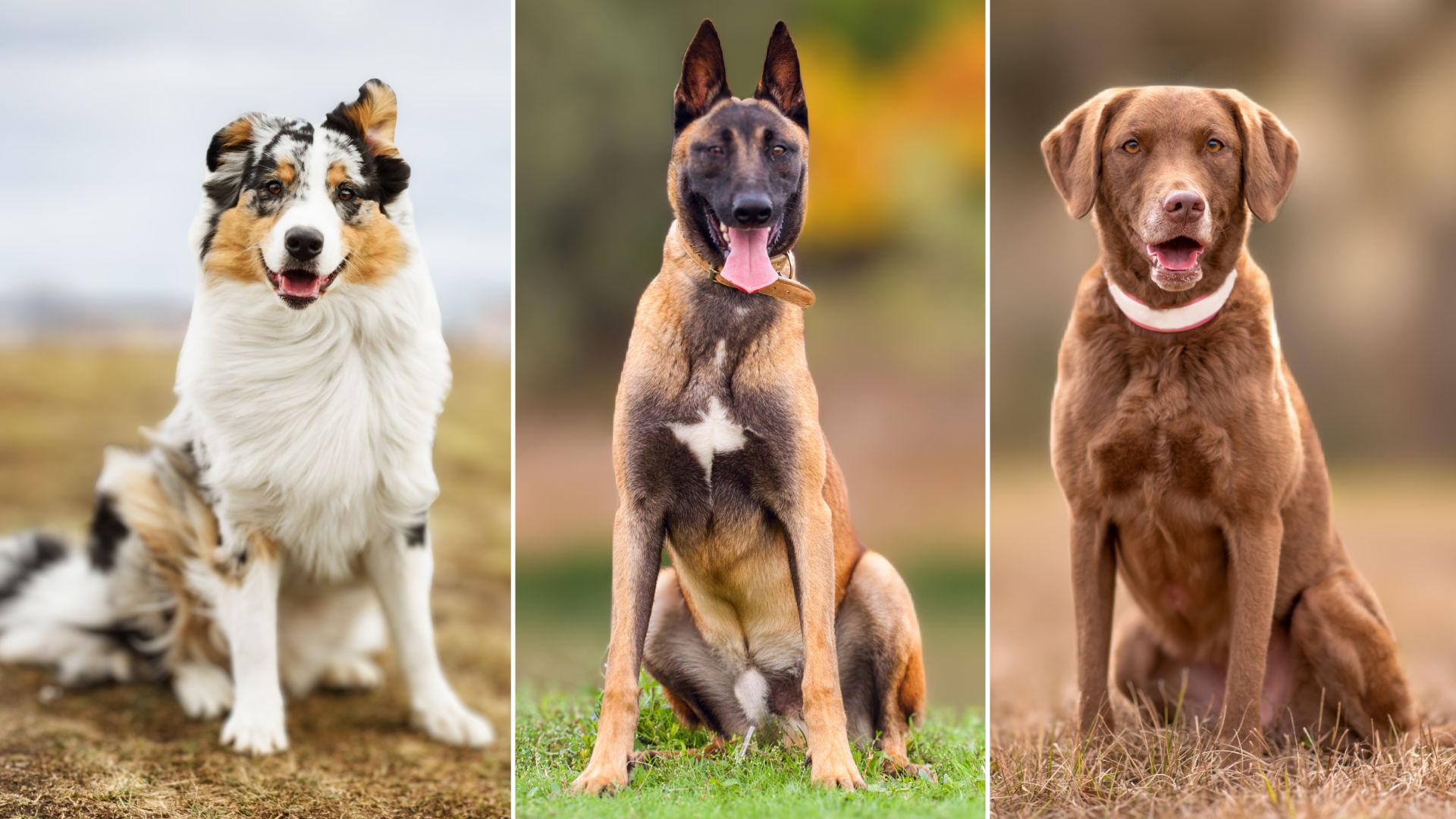
7 Best Protective Medium Dog Breeds for Family Safety
Discover the top 7 medium dog breeds known for their protective instincts and family-friendly nature. Find out which breeds keep your loved ones safe & secure.

Nov 22, 2024
7 Aggressive and 7 Friendliest Dog Breeds in the World
Compare the world’s friendliest and most aggressive dog breeds. Learn what to expect from each.